
Mold Testing & Remediation — Baton Rouge, LA
South Louisiana's humid subtropical climate creates one of the most aggressive mold environments in the country. If your Baton Rouge home or business has experienced water intrusion, flooding, or persistent humidity, mold can take hold within 24 to 48 hours — often in areas you can't easily see. Our certified mold testing and remediation team serves the greater Baton Rouge area, East Baton Rouge Parish, and surrounding communities with thorough inspection, containment, and safe removal.
Our Mold Services — What We Do
Our mold services cover every phase — from the first inspection through final clearance testing — so you always know exactly what's happening in your home.
Mold Inspection
A thorough visual inspection of walls, ceilings, crawl spaces, attics, and HVAC systems to locate visible mold growth and identify moisture sources driving it.
Air Quality & Spore Testing
Lab-analyzed air samples and surface swabs measure airborne mold spore concentrations so you have documented, science-backed evidence of contamination levels before remediation begins.
Containment Setup
Before any removal work starts, we isolate the affected area with physical barriers and negative air pressure to prevent cross-contamination to unaffected rooms.
Mold Remediation
Safe, EPA-compliant removal of mold-affected materials, followed by antimicrobial treatment of all impacted surfaces to eliminate the underlying colony and prevent regrowth.
Post-Remediation Clearance Testing
An independent final air quality test confirms that mold levels have returned to normal, acceptable ranges — giving you and your insurer documented proof the work is complete.
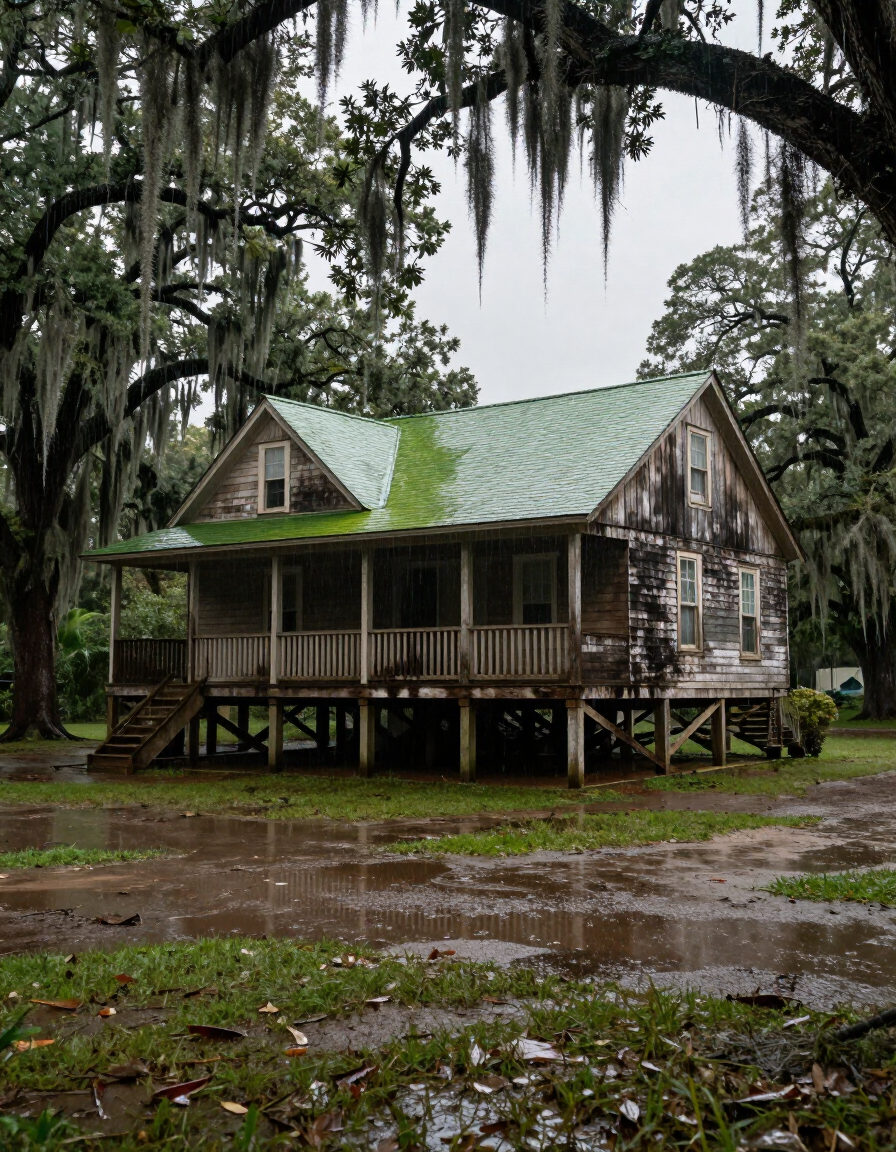
South Louisiana's Climate Makes Mold a Year-Round Risk
South Louisiana sits in a humid subtropical climate zone where summer temperatures regularly exceed 90°F and average annual humidity stays above 70 percent. This combination — heat and persistent airborne moisture — creates ideal conditions for mold spores to germinate and spread. Unlike drier climates where mold growth may slow between rain events, Baton Rouge and the surrounding East Baton Rouge Parish region can sustain active mold growth with nothing more than residual crawl-space dampness or a slow HVAC condensate leak.
After a flood or storm event, interior surfaces can reach critical moisture levels in hours. Porous materials — drywall, insulation, wood framing, carpet backing — absorb water quickly and retain it long enough for mold colonies to establish before visible signs appear. By the time you notice discoloration or a musty odor, the colony is typically well developed.
For residents with respiratory conditions, allergies, or compromised immune systems, prolonged exposure to elevated mold spore levels can cause persistent coughing, nasal irritation, headaches, and worsening asthma symptoms. Children and the elderly are especially vulnerable. Early professional testing — not a DIY kit — is the only reliable way to establish actual spore counts and identify the species present.
What to Expect: Our Remediation Process
Every mold remediation project in our Baton Rouge service area follows the same documented five-phase process — so you know exactly what happens, and when.
1. Assessment
A certified inspector evaluates all affected and adjacent areas, identifies moisture sources, and documents findings with photos and moisture readings before any work begins.
2. Containment
We seal the work zone with plastic sheeting and establish negative air pressure using HEPA-filtered air scrubbers, preventing spores from migrating to clean areas of your home.
3. Removal
Mold-affected materials are removed following EPA-compliant protocols. Structural surfaces are HEPA-vacuumed and treated with EPA-registered antimicrobial agents to eliminate the colony at the root level.
4. Air Scrubbing
HEPA air scrubbers run continuously throughout and after removal to capture airborne spores released during remediation, returning air quality toward acceptable baseline levels.
5. Clearance Testing
An independent post-remediation air quality test verifies that spore counts have returned to normal — providing documented clearance for your records and insurance file.
Protect Your Home. Schedule a Mold Inspection Today.
Mold detected early is mold that costs far less to remove. Whether you've noticed a musty odor, experienced recent flooding, or just want peace of mind in a South Louisiana home, our Baton Rouge inspection team is ready to assess and advise — no obligation.
Mold Questions , Answered
Common questions from Baton Rouge and East Baton Rouge Parish homeowners about mold testing and remediation — answered in plain language.
How can I tell if my home has a mold problem?
The most common signs are a persistent musty or earthy odor (especially in enclosed spaces like closets, crawl spaces, and under sinks), visible dark or greenish discoloration on walls or ceilings, and unexplained allergy-like symptoms that improve when you leave the building. However, mold frequently grows inside wall cavities or beneath flooring where it's invisible. If your home has experienced any water intrusion — even a slow drip or minor flooding — a professional inspection is the safest way to confirm or rule out a hidden problem.
Is mold remediation covered by homeowners insurance?
It depends on the cause. Most standard homeowners policies cover mold remediation when the mold results directly from a covered peril — such as a burst pipe or storm-related water intrusion. Mold caused by long-term neglect, deferred maintenance, or gradual seepage is typically excluded. Our team works with your insurance adjuster to document the source and timeline, which is critical to a successful claim. We recommend calling us before filing so the documentation is thorough from the start.
How long does mold remediation take?
A small, localized remediation — one bathroom or a section of drywall — typically takes one to two days. Larger projects involving multiple rooms, crawl spaces, or HVAC systems may require three to five days or more, depending on the extent of contamination and the drying time needed before clearance testing. We provide a documented scope and timeline estimate after the initial inspection so you can plan accordingly.
What makes South Louisiana homes especially vulnerable to mold?
Several factors combine to make Baton Rouge and the surrounding region particularly susceptible. The climate is humid and subtropical, with hot summers and limited cold periods that would naturally slow mold growth. Many homes in the area have raised foundations with unconditioned crawl spaces — areas that trap moisture year-round. Frequent heavy rain events, including tropical storms and flash flooding, mean water intrusion episodes are more common here than in most U.S. markets. Add older housing stock and the naturally porous building materials common in the region, and the conditions for aggressive mold growth are present in many homes even without a dramatic flood event.
What is clearance testing and do I need it?
Clearance testing is a post-remediation air quality test — typically conducted by an independent third party — that measures airborne mold spore levels after remediation is complete. The test confirms that spore counts have returned to acceptable baseline levels and that no active mold remains. We strongly recommend clearance testing for all projects: it protects you legally, satisfies most insurance requirements, and gives you documented evidence that your home is safe before you re-occupy remediated spaces.